
People Who Deeply Resent Their Parents Are Usually Still Angry About 11 Things They Did Wrong
 wichayada suwanachun | Shutterstock
The way we are raised not only affects who we become as adults, but the relationship we have with our parents. When we're given room to make mistakes and evolve into our own person, we likely have a close bond with our family and enjoy time together. But when there's lingering anger and resentment over what our parents did wrong, that relationship is nonexistent.
They may have instilled unhealthy coping mechanisms or deep-seated insecurities as a result of their actions, making it difficult to feel like a well-rounded adult. Unfortunately, when these frustrations linger, it manifests into bitterness that seems permanent.
Adult children resent their parents for these things they did wrong
1. Their lack of vulnerability
 voronaman | Shutterstock
Parents with emotional intelligence that provide support to their kids and engage in healthy communication are incredibly important to their kids' well-being. It builds their self-esteem and equips them with better social skills to build meaningful relationships.
Many children don't receive that kind of deeper affection and emotional connection from their parents, which creates insecurity and self-doubt. And that disillusions them as they get older, creating resentment and anger for years to come.
2. Their unrealistic expectations
 tairome | Shutterstock
While unrealistic expectations aren't always intentionally malicious toward children, parents who hold their kids to impossible standards often spark a cycle of disappointment and low self-esteem. It makes them frustrated if they can't live up to their parents desires for them.
Especially if the relationship was transactional, with reward and punishment structures or more praise when these expectations were met, their kids are likely secretly resentful as adults about the way their parents made them underestimate themselves.
3. Being used as a scapegoat
 Amnaj Khetsamtip | Shutterstock
The key to teaching children to own their own mistakes and learn to apologize is to model this behavior consistently. But parents with a lack of accountability create kids who resent them later in life.
In households with narcissistic or insecure parents that chose their kids as scapegoats for their own misbehavior, it wouldn't be surprising if these adult children now struggle with anxiety or shame. They were forced into a state of constant "fight-or-flight," walking on eggshells to avoid arguments.
Having a blame-shifting parent who constantly relied on a victim mentality can feel disillusioning as a child, but as an adult, it leads to anxiety and toxic shame. Trusting others doesn't come easy, so it's no wonder some adult children are so angry.
4. Not being able to talk about mental health
 fizkes | Shutterstock
Many older generations struggled with overcoming the mental health stigma they were taught by their own families, continuing to paint vulnerability and emotional expression as a weakness and mental illness as something everyone should "get over."
While it seems like an acceptable mentality for them to adopt, younger generations are challenging these ideas and speaking about mental health openly. A lot of adult children, as a result, are finally reconciling with the resentment they're holding onto for not being met with support or empathy.
5. Favoritism between siblings
 fizkes | Shutterstock
Many parents actually do have a favorite child and feed into habits and routines that actively support and praise them at disproportionate rates to the rest of their kids. Children who are less favored by their parents are more likely to develop poorer mental health outcomes and resentment, not just toward their parents but also their other siblings.
That's exactly why some adult children are angry at their parents for getting this all wrong. They wanted to be treated as equals with their siblings, not compared to each other. They were forced into a disconnect with their siblings, and that's a root of their anger.
6. Being parentified
 fizkes | Shutterstock
While people in older generations were parentified from a young age, whether it was babysitting their siblings or being forced to figure things out on their own, many people resent their parents for doing this to them. It caused them to become adults who are anxious and have poor boundaries.
Parents are supposed to take care of you and craft a safe space, but children who were parentified were forced to do all of these things for themselves, and sometimes their siblings as well. They didn't get a chance to live a normal childhood.
7. Having their boundaries disrespected
 Drazen Zigic | Shutterstock
Mutual respect is the foundation for any kind of relationship, but especially for family dynamics and parent-child relationships. When a child's boundaries don't feel respected, they grow up struggling to truly assert themselves. They feel unable to advocate for their needs or communicate their boundaries to others.
The resentment sparked from childhood disrespect is one thing, but having to grapple with the aftershocks of this misbehavior in adulthood can make it that much harder to heal from.
8. Minimizing childhood trauma
 Comeback Images | Shutterstock
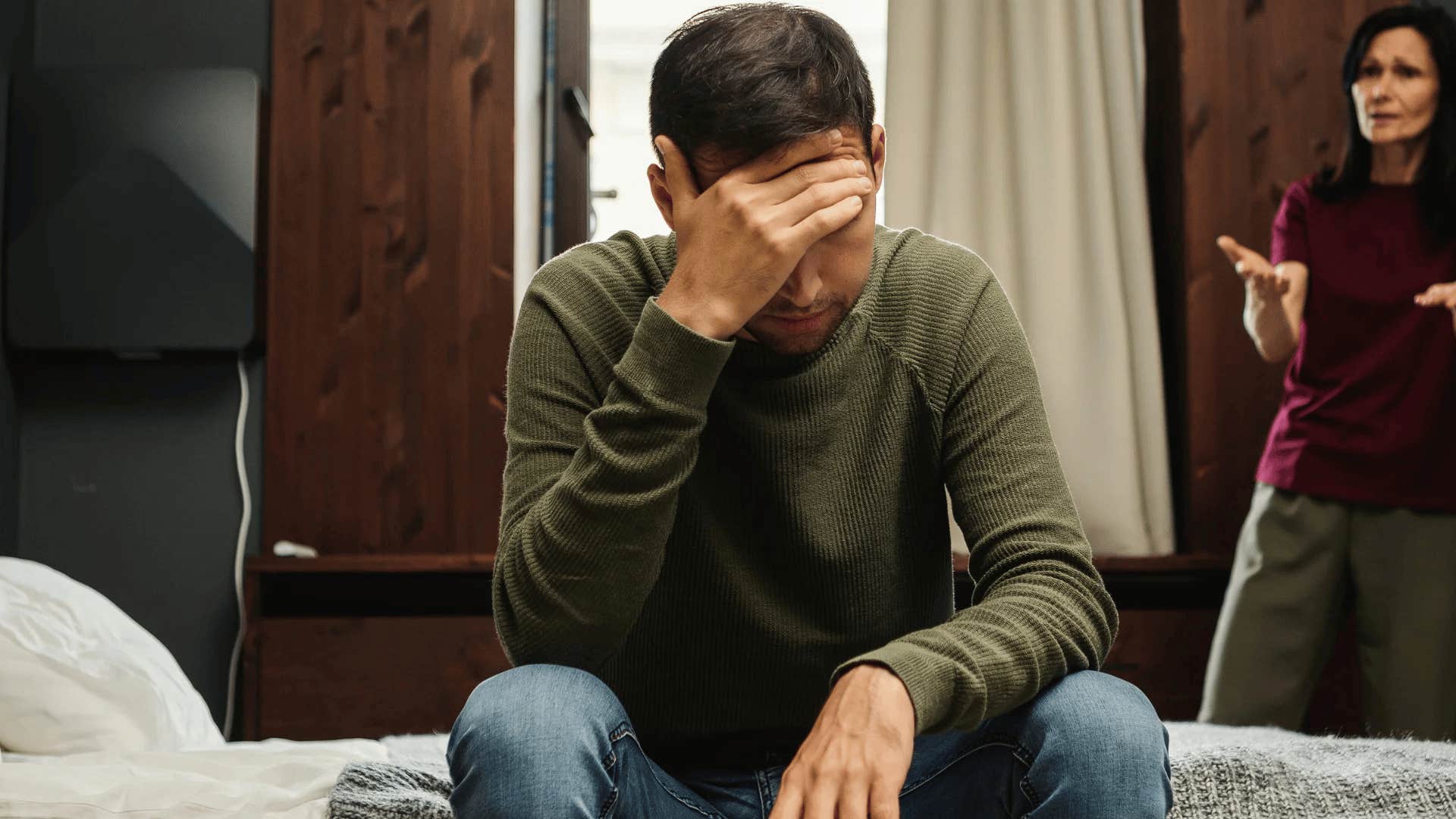
In today's world, where so many younger people are grappling with childhood trauma, it's not surprising that there's more conflict between them and their parents. Many people are going "no contact" with their parents following this dismissal of childhood trauma, as they refuse to acknowledge their part in it.
Some parents prefer to minimize and invalidate their kids, in ways that can spark a great deal of resentment over time. Instead they should support them as they share their stories and emotions.
9. Their need for control
 PLotulitStocker | Shutterstock
Overbearing and controlling parents rely on a sense of authority to parent their children. They embody a cold, unemotional attitude rather than an affectionate and understanding one. Without the empathy that kids need growing up, their parents sabotage their child's well-being.
They not only grow up without a great sense of self-worth and self-esteem, but take on misguided beliefs around relationships. They believe that emotional manipulation and control are normal, because the person who was supposed to look out for them broke their trust.
10. Their conditional love
 Olena_Honcharova | Shutterstock
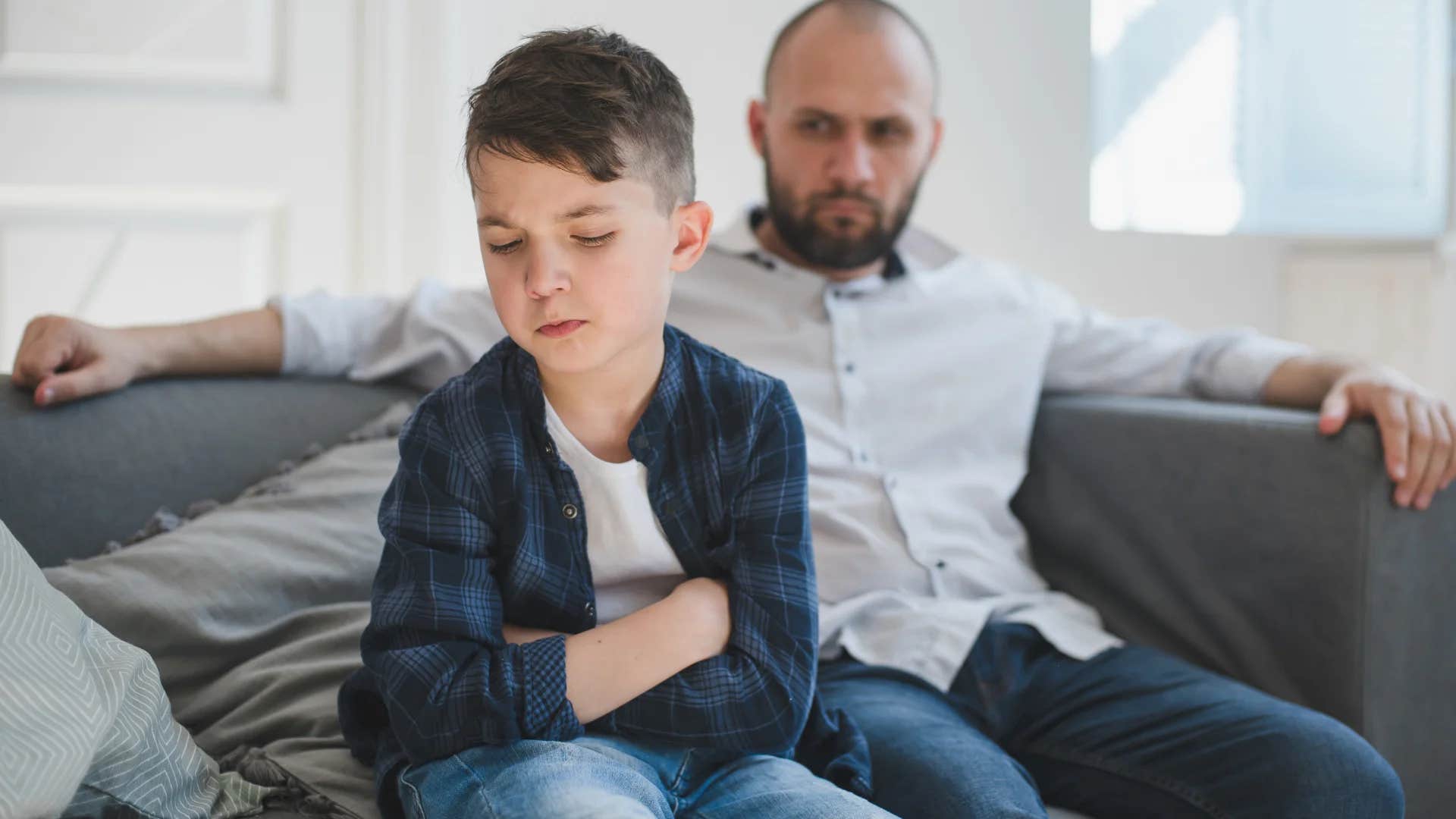
According to psychotherapist Kaytee Gillis, parents with conditional love and transactional parenting styles teach their kids the misguided idea that they're only worthy of affection and love when they have something to offer. This belief not only sabotages kids' self-worth into adulthood, but ensures they fall into a cycle of insecurity.
We need consistent and stable love from our parents to feel secure. Otherwise, we're always settling for people and things who only offer us a sliver of the love we wanted from our parents.
11. Feeling unaccepted at home
 Pheelings media | Shutterstock
Feeling accepted for your authentic self by your parents is key to how you live your adult life. But children who were never accepted for who they were tend to grow up with low self-worth. They often seek external validation and misguided attachment later in life to cope.
Parents who don't accept their kids and demonize their identities create a tumultuous, rather than a safe, space for their kids to struggle through. They're forced to adopt not only deep-seated insecurity, but a sense of emotional turmoil and anxiety that fuels all of their everyday interactions.
Zayda Slabbekoorn is a senior editorial strategist with a bachelor's degree in social relations & policy and gender studies who focuses on psychology, relationships, self-help, and human interest stories.

